How to Lower Cholesterol Naturally
By Jenny Champion MS RD
This week I’m re-sharing our most-viewed newsletter post because useful info is always welcome, right?
Oh, and before you scroll, just know that even if you don’t have high cholesterol, these low inflammation tips are appropriate for pretty much anything and everyone for the rest of time. 🙂
Step One: Find out why it’s high in the first place
High cholesterol can be the result of a few different things like:
Thyroid issues- if this is the case, getting your TSH level in check through either medication or food (if your doctor OK’s it) is the best thing you can do to also help improve cholesterol.
Menopause / hormones- certain endocrine disorders like PCOS and life events like menopause can cause rising cholesterol levels.
Inflammation- the most common culprit is also the easiest to fix (see steps three and four below).
Genetics- this is the hand you’ve been dealt and high cholesterol is probably something you’ll have to deal with. What you can do, though, is really clean up your diet and see what you’re able to achieve through food.
Step Two: Talk to your doctor
Depending on your bloodwork results and medical history, your doctor might want to start medication right away. If your lipids are just a little bit elevated and you aren’t otherwise high risk, you’ll probably get the green light to try lifestyle changes from now until your next cholesterol check in three to six months. This is where the next two steps come in.
Step Three: Change your diet
Please don’t panic-buy 75 boxes of Cheerios yet (or ever, actually). The best thing to do food-wise is to take inventory of the inflammatory foods you’re currently eating and then start distancing yourself from them ASAP.
Here’s how to to it:
Write down a typical day: breakfast, lunch, dinner, snacks, drinks, booze, dessert, etc. Once you’ve done that, go back through it and highlight any of these things:
bread, pasta, rice, crackers, cookies, pizza, breading, corn, beer, pretzels, cereal
vegetable or canola oil (you may have to check ingredient lists to find these)
soda, candy, juice, processed meat, fried food, long ingredient lists, artificial sweeteners, sweetened yogurt, fast food
large amounts of cheese, bacon, red meat (some is fine)
If your food diary is now completely pink (I only use pink highlighters), it’s time to make some changes. Everything highlighted is something that can be inflammatory aka raise cholesterol and should be limited.
Now what’s left TO eat? Tons, actually.
If you center your meals around these food groups, you’ll be satisfied and un-inflamed:
Veggies- whatever you like is fine (that includes potatoes…yay!)
Animal protein (poultry, beef, eggs, etc.)- grass-fed, free-range, wild-caught are best, but really anything goes in this category.
Plant protein (beans, lentils, etc.)- same as veggies; eat whatever you like, just make sure it’s not prepared in any inflammatory oils (see above).
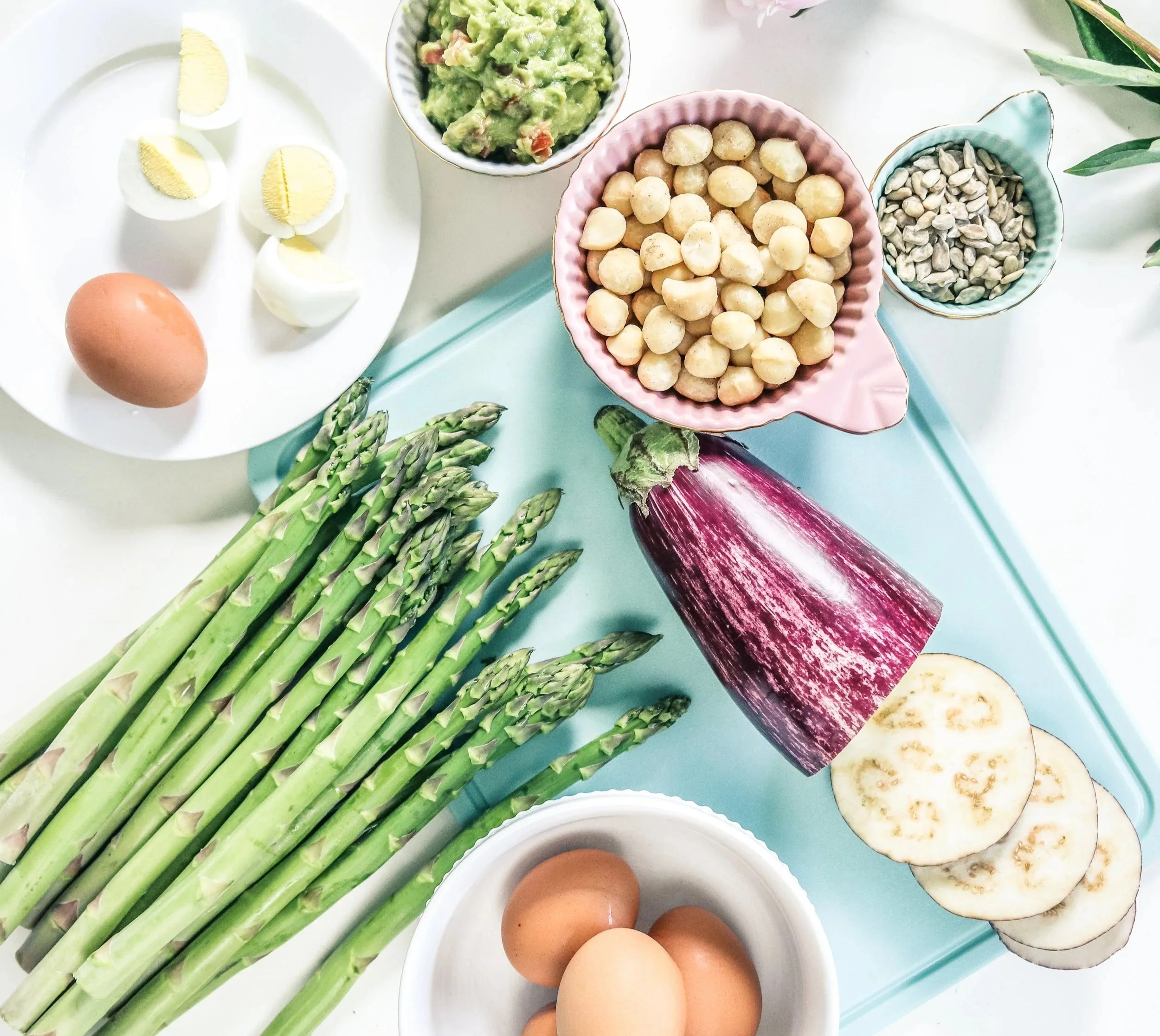
Fat- avocado, nuts, seeds, olive oil, coconut, real butter. Yes you can have some real butter, especially if most of your other fat sources are plant-based.
Fiber- avocado, chia, flax, spinach, psyllium husk are some of my top recs.
Everything else- sprinkle in the things you love and live happily ever after.
Step Four: Get moving
Exercise improves circulation, mood, heart health, blood sugar and cholesterol levels. The good news is, you don’t need to join a gym or start a daily 60-min spin routine; plain old walking is enough. Go as far and as fast as you want / can and solidify this new routine before switching up the intensity or duration—or adding in any other activities like weights or yoga.
It really doesn’t take toooo much effort to make huge steps toward your goals— and you definitely don’t need to live on only salad and oatmeal for the rest of your life. If after three to six months nothing’s changed bloodwork-wise, you do have some options, but I suggest starting with the tips in this post as they tend to work for most people.